#MHDay2026: The power of collective action
MH Day 2026 showed once again how far this movement reaches and how collaboration continues to drive real change. The numbers below reflect the global visibility, community strength, and incredible amount of energy behind MH Day.
The numbers at a glance

+ 16.89% in comparison to 2025
This is the power of collective action: MH Day 2026 reached 1.135 billion people – that’s almost 1/7th of the world’s population – and a new all-time record! Every post, article, and conversation about menstruation during the campaign phase between 29 April to 10 June 2026 made this possible.

+ 14.22% in comparison to 2025
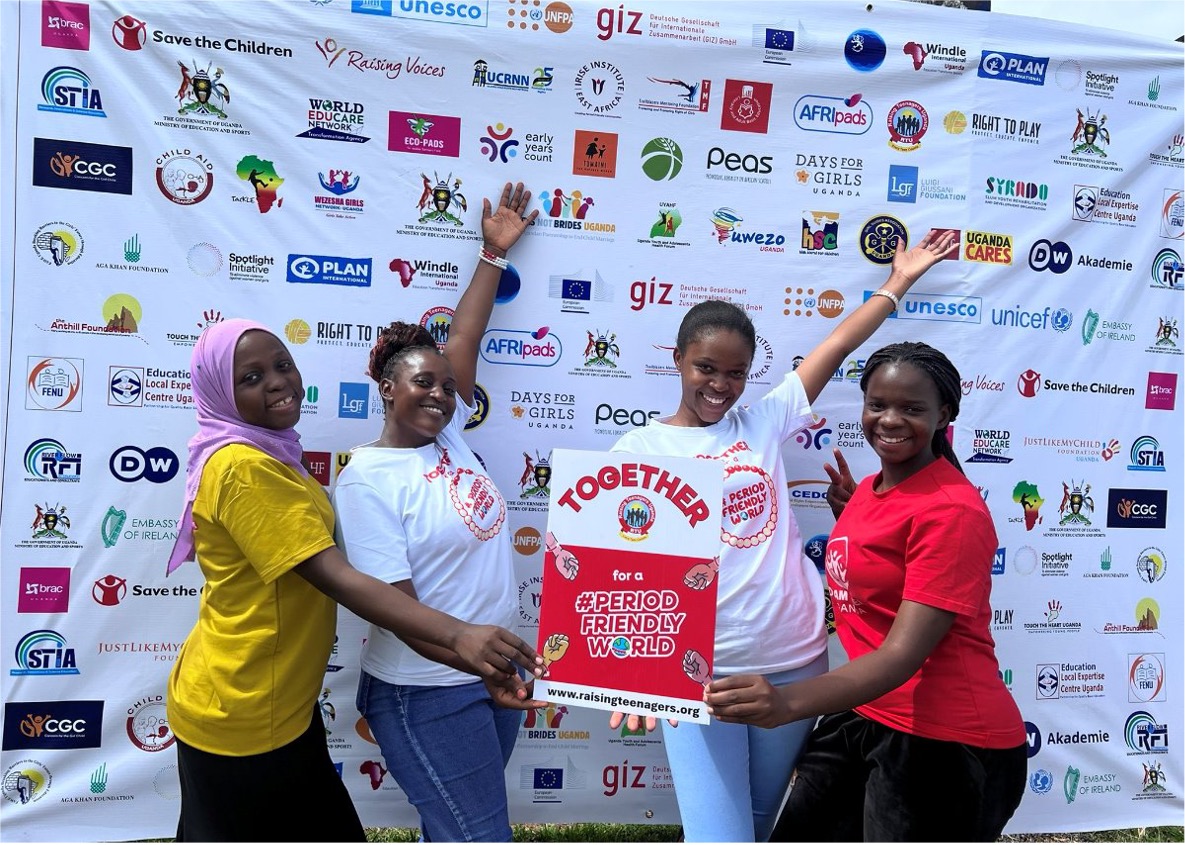
The MH Day partnership is now more than 1,500 organisations strong!
Sub-Saharan Africa and Southeast Asia are the most strongly represented within the partnership.
At the country level, India, the United States, and Nigeria rank as the top three partner countries.
More than 60% of the partners are national and international NGOs, showing that civil society is at the forefront of driving change in awareness and advocacy in MHH.
Please note that for multilateral and international NGOs, we only record the country of their headquarters and do not include the national offices; hence, they are mostly represented under North America and Europe.

+ 13.09% in comparison to 2025
The media has been an ally to the MH Day movement for a long time. Across regions and platforms, 28,301 media pieces reported on MHH topics around MH Day – an increase of 13% compared to last year.
This matters not just because of the higher number itself, but because media is one of the strongest multipliers we have. When a single event or announcement is picked up by radio or local press, its message reaches far beyond the room where it happened. When national outlets report on new commitments or policies, they help shift public awareness, push back stigma, and influence decision-makers. And when global media discuss MHH, it signals that the world is increasingly ready to talk about menstruation openly.

+ 51.31% in comparison to 2025
Why have social media contributions increased so significantly compared with 2025?
There are technical reasons for this: topic-based searches yield significantly more results on Facebook and Instagram. For the first time, we can search LinkedIn automatically. New networks, such as YouTube and Bluesky, have been added. About 50% of the additional hits are attributable solely to these new technical capabilities.
What other reasons are there?
We’ve gained a better understanding which hashtags or keywords MH Day partners use to label MH Day events. As a result, we were able to capture substantially more event-related content.
One of the five key areas of MHH has seen a real boom this year: menstrual health issues and services. Along with #periodfriendlyworld, #menstrualhealth is the most frequently found hashtag in 2026.

+ 50% in comparison to 2025
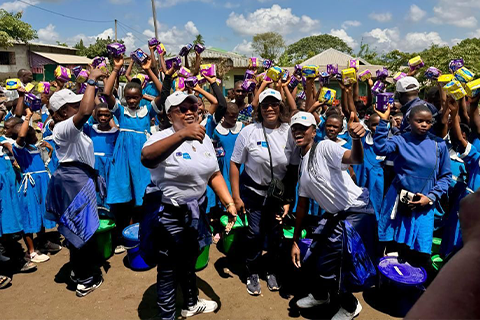
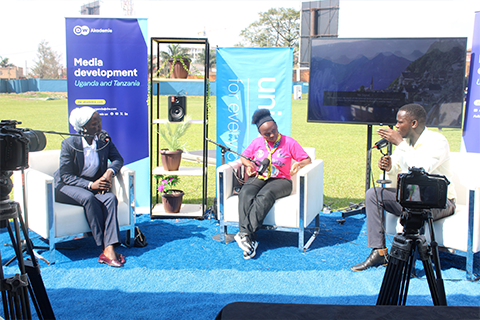
Around the world, people are coming together through in-person gatherings, community activations, educational sessions, webinars, and many other initiatives to advance the conversation on menstrual health and hygiene.
Given the sheer volume of submissions, we set a cut-off date for the data collection in mid-July. Despite this restriction, we were able to record more than 3,000 events worldwide.
While we are confident that many additional events took place beyond those captured in our count, this figure clearly demonstrates the reach and relevance of Menstrual Hygiene Day.